Understanding the Invisible Ecosystem in Your Mouth
The human mouth harbours an extraordinary universe of microscopic life, with billions of bacteria, fungi, and viruses coexisting in a delicate balance. This complex ecosystem, known as the oral microbiome, has revolutionised how a private dentist Manchester approaches patient care. Rather than viewing all bacteria as harmful invaders, modern dentistry now recognises that many of these microorganisms play essential roles in maintaining oral health. The composition of an individual’s microbiome is as unique as a fingerprint, which explains why two patients with seemingly similar habits can experience vastly different dental outcomes.
Recent scientific advances have revealed that the oral microbiome influences far more than just teeth and gums. These microscopic communities interact with the immune system, affect inflammation levels, and can even impact overall systemic health. Understanding this intricate relationship has opened new pathways for dental practitioners to develop treatment plans that work with, rather than against, the body’s natural defences. The shift towards microbiome-conscious dentistry represents one of the most significant developments in oral healthcare over the past decade.
The Science Behind Microbial Diversity
Scientists have identified over 700 different bacterial species that can inhabit the human mouth, each occupying specific niches on teeth, gums, tongue, and cheek surfaces. This diversity serves important protective functions, with beneficial bacteria helping to prevent the colonisation of harmful pathogens. When this balance is disrupted—a condition known as dysbiosis—problems such as tooth decay, gum disease, and persistent bad breath can develop. Research into the oral microbiome’s role in health and disease has provided valuable insights into these mechanisms.
The composition of the oral microbiome varies significantly between individuals due to factors including genetics, diet, lifestyle habits, and environmental exposures. Some people naturally harbour more protective bacterial strains, whilst others may be predisposed to populations that increase cavity risk. This variation explains why standardised dental treatments sometimes produce inconsistent results across different patients, prompting progressive practitioners to adopt more personalised approaches.
How Microbiome Analysis Transforms Treatment Planning
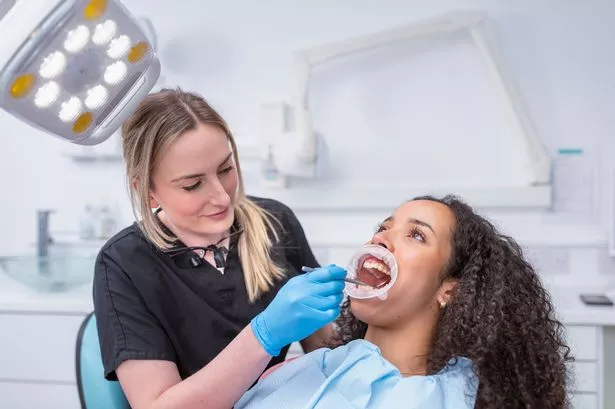
Forward-thinking dental practices now utilise microbiome testing to gain deeper insights into each patient’s unique oral environment. Through simple saliva or plaque samples, practitioners can identify the specific bacterial populations present and assess whether the microbiome composition suggests elevated risk for certain conditions. This information allows patients visit to create targeted intervention strategies that address the root causes of dental issues rather than merely treating symptoms.
Tailoring Preventive Strategies
Microbiome analysis enables dental professionals to recommend specific preventive measures based on individual bacterial profiles. For patients with high levels of acid-producing bacteria, enhanced fluoride treatments or dietary modifications may be prioritised. Those with inflammation-associated species might benefit from targeted antimicrobial rinses or probiotic interventions designed to restore microbial balance. This precision approach represents a departure from the one-size-fits-all mentality that has traditionally dominated dental care.
The integration of microbiome science into clinical practice also influences treatment timing and sequencing. By monitoring how bacterial populations respond to interventions, practitioners can adjust strategies dynamically, ensuring optimal outcomes. This adaptive methodology proves particularly valuable for patients with complex dental histories or those who have struggled with recurring issues despite maintaining good oral hygiene habits.
Probiotics and Microbiome-Friendly Interventions
The emergence of dental probiotics has created new opportunities for supporting healthy oral microbiomes. These beneficial bacterial strains, when introduced strategically, can help crowd out harmful species and restore ecological balance. Studies examining probiotic applications in oral health have demonstrated promising results for reducing gingivitis and preventing cavity formation. Some private dental practices now incorporate probiotic recommendations into comprehensive care plans.
Beyond probiotics, microbiome-conscious dentistry emphasises preserving beneficial bacteria during necessary treatments. This might involve using selective antimicrobials that target specific pathogens whilst sparing helpful species, or implementing protocols that minimise disruption to the oral ecosystem. Such considerations reflect a more nuanced understanding of how interventions affect the delicate microbial communities that contribute to long-term oral health.
The Future of Personalised Dental Care
As microbiome research continues to advance, the possibilities for truly personalised dental treatment expand considerably. Future developments may include real-time monitoring systems that track microbial shifts, allowing for immediate intervention when imbalances emerge. Genetic testing combined with microbiome analysis could predict individual susceptibility to specific dental conditions years before symptoms appear, enabling proactive prevention strategies.
The transformation brought about by understanding oral microbiomes in modern dentistry represents more than technological advancement—it signifies a fundamental shift in philosophy. By recognising patients as unique biological ecosystems requiring individualised care, dental professionals can achieve superior outcomes whilst promoting lasting oral health. This personalised approach, grounded in scientific understanding of microbial communities, promises to redefine dental treatment for generations to come.