A compounding pharmacist reading a nomination file will sometimes see two substances listed together as a single preparation instead of two separate entries. That word, blend, tends to get read as if it signals something new about the substances themselves. It usually doesn’t.
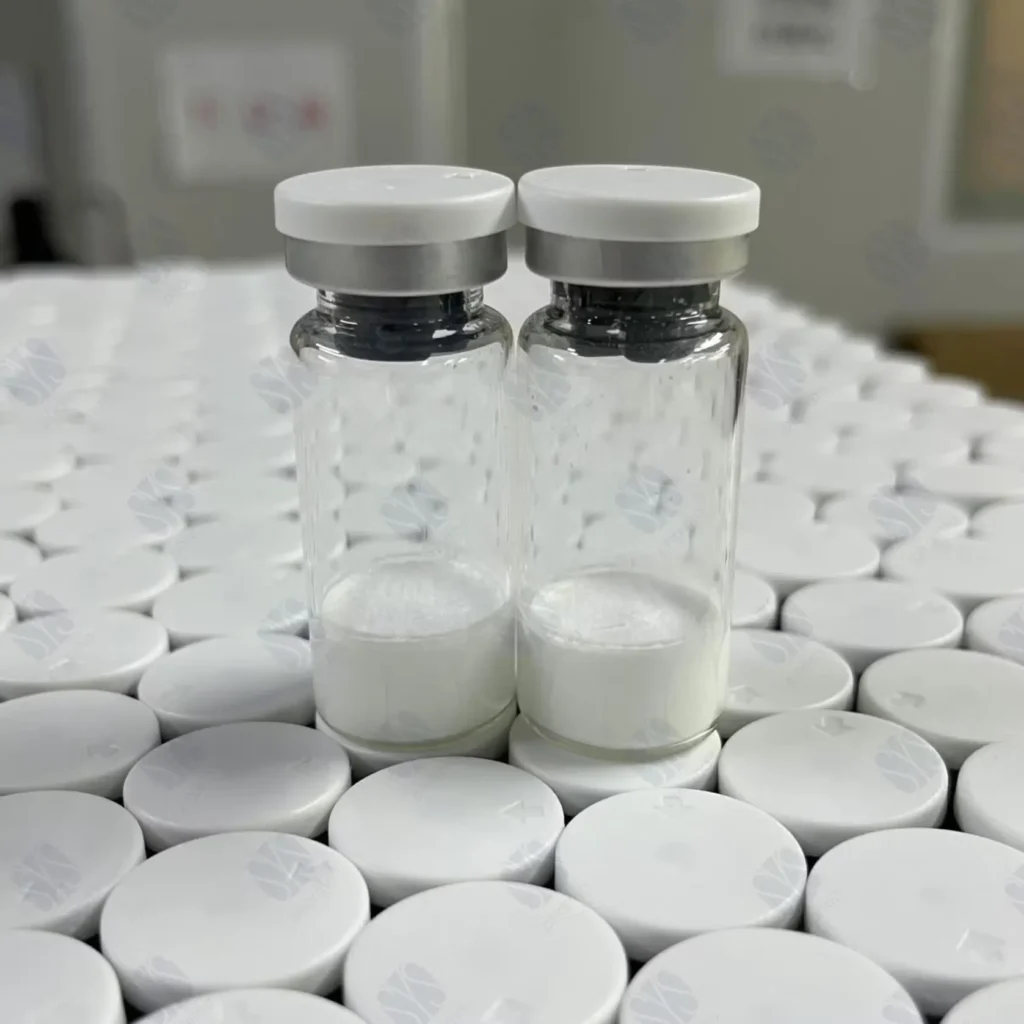
BPC-157 TB-500 blend shows up often enough in formulation talk that it’s worth being precise about what the phrase actually describes. Not a new substance. Not new data. Just a different container.
What “Blend” Refers To in a Compounding Context
In a compounding setting, a blend just means combining more than one active substance into a single formulation instead of preparing two separate ones. That’s a manufacturing decision. It sits at the level of how something gets prepared, not what it is or what it’s approved for.
Nothing about combining two substances into one preparation changes the research picture behind either one. The literature on each substance stays exactly where it was before anyone combined them.
Where the Practical Differences Actually Sit
- Each substance can carry its own stability and storage profile, and combining them doesn’t automatically average those out.
- Quality testing in a compounding setting usually applies to the finished preparation as a whole rather than each substance in isolation.
- A blend still depends on the regulatory status of its individual components. Combining substances doesn’t create some separate, more permissive category.
- Choosing to prepare something as a blend is a manufacturing convenience, not evidence that the combination itself has been studied.
None of that is exciting. It’s also the entire point.
Why Blending Doesn’t Change Regulatory Status
Worth stating directly, since it’s easy to lose in casual discussion. Neither substance behind a blend like this currently holds FDA approval as a drug, and neither has a recognized status as a legal over the counter product. Combining them into one preparation doesn’t move that needle either way.
A BPC-157 TB-500 blend doesn’t inherit a friendlier status just because two names end up on one label.
What This Format Question Isn’t
A blend describes preparation format. It isn’t a claim about effectiveness, and it isn’t a signal that regulators, researchers, or anyone else reached a conclusion about using the two substances together.
Reading more into the word than that confuses a manufacturing detail with a scientific one. How something is prepared and what the research on it shows are two different questions, even when a label doesn’t make that distinction obvious.
What “blend” ultimately describes is a container. Not a conclusion. The substances inside carry the same open questions they carried before anyone combined them.